
A quiet but dangerous debt trap is forming beneath the U.S. economy in 2026. Unlike past crises, this one is fueled by normalized high-interest credit, Buy Now Pay Later plans, rising medical bills, and shrinking cash buffers. Using 2026 financial data and expert analysis, this guide explains where the risk is building, who is most exposed, and how to escape before debt becomes permanent.
For decades, debt has been a constant presence in American life. Credit cards, installment loans, and financing plans have become so common that they barely register as risks. For many households, debt feels less like a warning sign and more like a background utility—always there, rarely questioned.
But 2026 marks a turning point.
This is not because Americans suddenly became irresponsible, nor because the economy is collapsing. It’s because the conditions that once made debt manageable no longer exist. Borrowing costs are higher. Living expenses are permanently elevated. Emergency savings are thin. And financial stress has become normalized.
What makes the looming 2026 debt problem especially dangerous is that it doesn’t look like a crisis—until it suddenly is.
There are no dramatic defaults at first. No obvious bubbles bursting. Instead, debt accumulates quietly through everyday decisions that feel rational in isolation but devastating in combination.
This article breaks down the hidden debt trap forming in 2026, why experts are increasingly concerned, who is most at risk, and—most importantly—what you can do now to avoid being caught in it.
The debt trap of 2026 is not about reckless spending or luxury lifestyles. It is about structural pressure.
It shows up as:
- Carrying a credit card balance “just in case”
- Using Buy Now Pay Later for essentials
- Rolling medical bills onto credit
- Paying minimums while balances barely decline
- Treating debt as permanent rather than temporary
Each decision feels reasonable. Together, they create a system where interest grows faster than income and debt becomes self-reinforcing.
Financial researchers increasingly refer to this pattern as fragmented high-cost debt—multiple small balances spread across cards, apps, and financing plans, each quietly compounding.
One of the most critical differences heading into 2026 is the price of debt.
Signals from the Federal Reserve indicate that while interest rates may fluctuate, they are unlikely to return to the ultra-low levels of the 2010s. That era allowed households to refinance, roll balances cheaply, and out-earn their debt over time.
In 2026:
- Credit card APRs commonly range from 18% to 22%
- Personal loans are no longer inexpensive bridges
- Retail and medical financing often includes hidden fees
Debt no longer buys time. It buys cost.
According to household expenditure data tracked by the Bureau of Labor Statistics, inflation may have cooled, but prices did not return to previous norms.
Housing, insurance, healthcare, utilities, and services remain structurally higher than they were just a few years ago. This leaves less discretionary income available to aggressively pay down balances.
Debt doesn’t explode because people overspend.
It explodes because there is no margin left.
One of the most alarming findings from 2026 financial surveys is how normalized revolving credit has become.
Many Americans now view carrying a balance as standard rather than temporary.
This is dangerous because:
- High APRs compound relentlessly
- Minimum payments barely reduce principal
- Interest quietly absorbs future income
Real-life example:
A household earning $110,000 carries $9,000 in credit card debt “for emergencies.” They pay on time every month. After two years, they’ve paid thousands in interest—and still owe most of the balance.
This is not financial negligence.
It is a system designed to trap.
Buy Now Pay Later (BNPL) plans have exploded in popularity because they don’t feel like debt.
They:
- Appear interest-free
- Avoid traditional credit statements
- Break purchases into “small” payments
But experts warn BNPL creates a visibility problem.
Because balances are fragmented across apps and checkout screens, many consumers underestimate their total obligations. Payments overlap. Fees appear when cash flow tightens. And the illusion of affordability collapses.
BNPL is not inherently bad—but in 2026, it is one of the fastest ways debt becomes invisible until it’s overwhelming.
Medical debt remains one of the most emotionally difficult—and financially destructive—forms of borrowing.
Even insured Americans face:
- High deductibles
- Out-of-network charges
- Delayed billing cycles
Healthcare cost stress, referenced frequently by the American Psychological Association, is a leading contributor to financial anxiety and debt accumulation.
Real-life example:
A healthy family budgets carefully. A single emergency room visit results in a $4,100 bill months later. With no buffer, it goes on a credit card at 21% APR.
The medical event ends quickly.
The debt does not.
One of the most surprising 2026 survey findings is that higher income does not protect against debt traps.
Many six-figure households report:
- High fixed obligations
- Lifestyle commitments that are hard to unwind
- Low liquid savings relative to expenses
When unexpected costs arise, these households often rely on credit—not because they lack income, but because their income is already spoken for.
Debt thrives where flexibility is low.
Debt in 2026 is not just financial—it is emotional.
People commonly report:
- Avoiding statements
- Feeling shame around balances
- Chronic low-level anxiety
This emotional burden leads to:
- Delayed action
- Reliance on minimum payments
- Further normalization of debt
Ironically, the more stressed people feel, the harder it becomes to escape.
Many Americans ask, “How do I know if I’m at risk?”
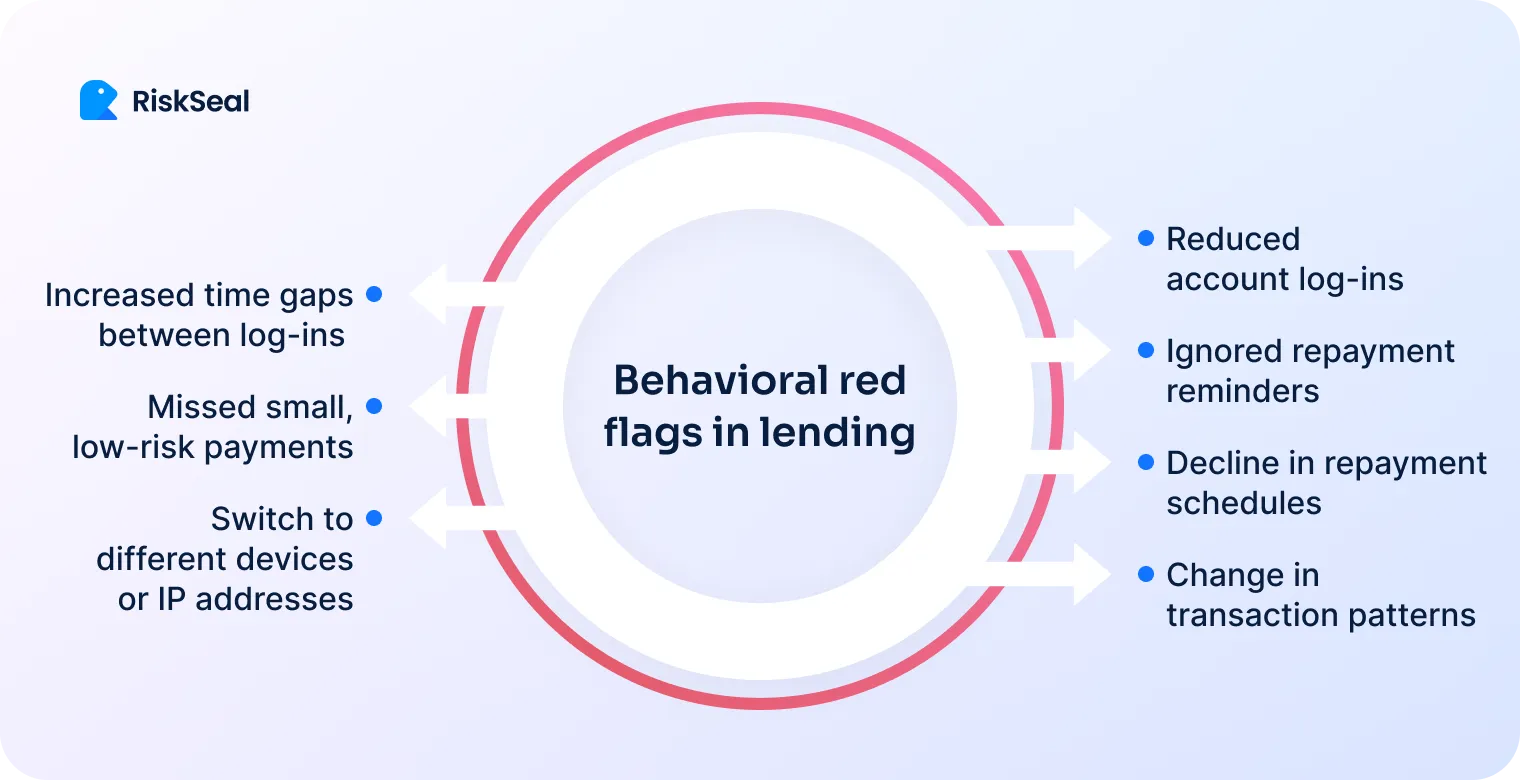
Common red flags include:
- Making only minimum payments
- Using credit for non-emergencies
- Carrying multiple small balances
- Feeling relief when credit limits increase
- Having no clear payoff timeline
If debt feels permanent rather than transitional, the trap is already forming.
What makes 2026 especially dangerous is convergence:
- High borrowing costs
- Elevated living expenses
- Thin emergency savings
- Easy access to fragmented credit
In earlier decades, one factor might offset another. In 2026, they reinforce each other.
Experts increasingly advise resilience-first strategies, not extreme austerity.
Key principles include:
- Stop new debt before optimizing payoff
- Build buffers to prevent borrowing
- Consolidate visibility across all balances
- Automate progress instead of relying on motivation
The goal is not instant freedom—it’s regaining control.
Instead of drastic cuts, experts recommend:
- Freezing new BNPL usage
- Creating a “no-borrow” buffer
- Paying above minimums on highest-APR debt
- Reviewing insurance and medical exposure annually
Small, consistent actions outperform dramatic but unsustainable ones.
1. What is the hidden debt trap in 2026?
Fragmented, high-interest debt normalized through everyday spending.
2. Is credit card debt more dangerous now?
Yes. Higher APRs and slower wage growth increase risk.
3. Are Buy Now Pay Later plans risky?
They can be, especially when stacked across purchases.
4. Why does debt feel harder to escape?
Because interest costs and living expenses are higher.
5. Are high earners protected?
No. Many have low liquidity and high fixed costs.
6. How much emergency savings reduces debt risk?
Even one month of expenses helps significantly.
7. Should I pay off debt or save first?
High-interest debt, while building a small buffer.
8. Can medical debt be negotiated?
Often yes—early communication improves outcomes.
9. Will interest rates fall and fix this?
Experts warn against planning on rate relief.
10. What’s the fastest way out of the trap?
Stop new debt and restore cash-flow margin.
The most dangerous debt traps don’t announce themselves. They grow slowly, normalized by convenience and necessity, until options disappear.
In 2026, the Americans who avoid crisis won’t be those who never use credit. They’ll be the ones who recognize fragility early and act before debt becomes permanent.
Debt is not a moral failure.
But ignoring it in 2026 is a strategic one.